The Florida Mold License Is a Marketing Asset: How Remediation Companies Should Use It Online
Good mold remediation SEO in Florida starts with something most mold websites leave out: the state license. Florida licenses mold remediators and assessors, protects the titles and requires $1,000,000 in insurance, yet none of the three top-ranking mold SEO guides we read even mentions a license. Here is where yours belongs online, and why it wins calls.
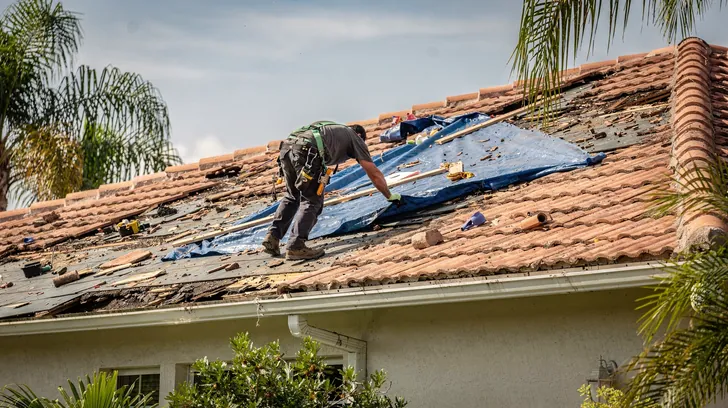
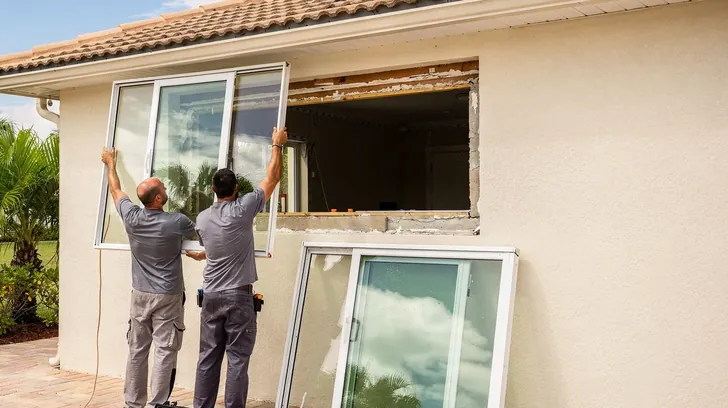
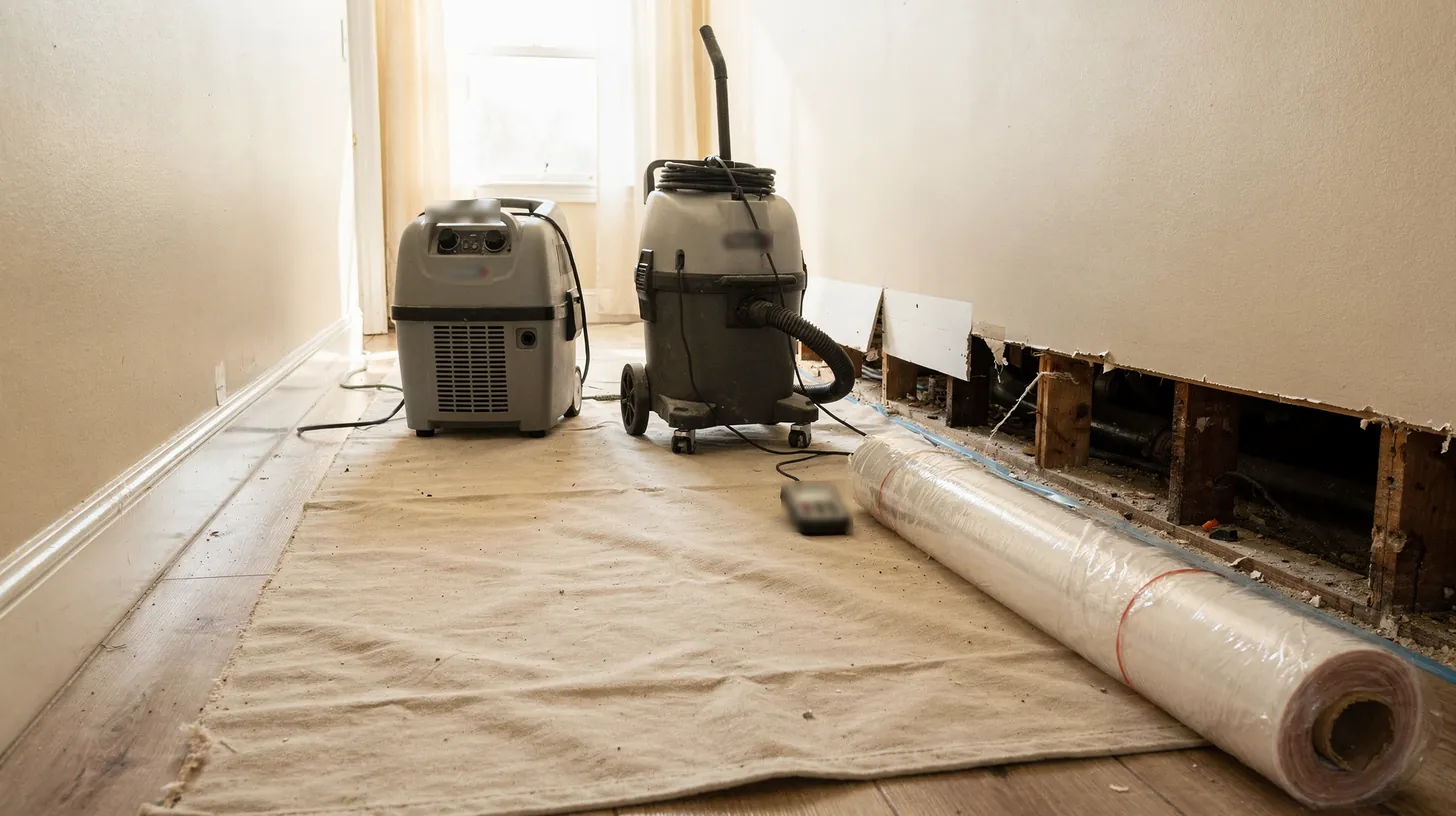
The equipment is the same at every company. The license is what a homeowner can check. AI-generated illustration.
In one paragraph
A Florida mold remediation license is the state license, issued by the Department of Business and Professional Regulation under Chapter 468, Part XVI, that a person needs to perform or offer mold remediation. Florida defines mold remediation as treatment of mold "of greater than 10 square feet that was not purposely grown at that location" (Florida Statutes 468.8411, 2026).
Check your account
License-proof checklist: 8 places your Florida mold license should appear
Tick each one your company already does. It counts what is left. It reads nothing from your site and sends nothing anywhere.
0 of 8 places covered
Based on Florida Statutes Chapter 468, Part XVI and the DBPR Mold-Related Services page, read October 28, 2026. This describes the statute, not legal advice.
01 / 07
Why is a Florida mold license a marketing asset?
Because Florida protects the words a homeowner looks for. Only a person who complies with the law may use titles such as "licensed mold remediator" or "mold remediator" (Florida Statutes 468.8419, 2026), and the license sits on a public state register anyone can check. A competitor without one cannot say the same thing, and most mold websites never mention it at all.
Mold-related services have their own part of Florida law: Chapter 468, Part XVI, "Mold-Related Services", which runs from section 468.84 to 468.8424 (Florida Statutes Part XVI, 2026). It licenses two jobs, the mold assessor who investigates and the mold remediator who removes and treats, and it restricts who may use either title.
That turns a compliance cost into a selling point. A homeowner with a mold problem is worried about health, money and being taken advantage of. "Licensed by the State of Florida, license number shown, check it here" answers all three in one line.
Most of the market is not saying it. When we read the three top-ranking guides to mold remediation SEO, none mentioned a state license, insurance or a way to verify either. A Florida company that leads with its license is not repeating what everyone else says. This is the practical side; the legal side, including what counts as an offer and how advertising is policed, is on our mold remediation SEO page.
This describes the statute, not legal advice. Check specific questions with the Department of Business and Professional Regulation or a lawyer.
02 / 07
Where should the license number appear on a remediation company's website?
In four places: the footer of every page, each mold service page next to the call button, the team or About page naming the license holder, and a link to the state license search. Florida licenses individuals, so show the person's name, the license type and the number, written the same way everywhere.
Consistency matters more than size. Write the license line once, with the license type, the full name of the person who holds it and the license number, in that order, and use the exact same wording in every place. A homeowner, Google and any AI assistant reading the site should all find one version of the facts.
Put it where the decision happens. The footer covers every page, but the line that does the most work sits on each service page, right beside the phone number or quote button, because that is the moment a homeowner asks "can I trust these people?"
Name the person. Our mold remediation SEO page covers why the license sits with an individual rather than the company. On the website, that means a team or About page that shows who holds which license, with a photo if you have one.
Then let people check it. A link to the Department of Business and Professional Regulation license search, described in the last section of this guide, tells a homeowner you expect to be checked. That confidence is the point.
03 / 07
How should the license appear on the Google Business Profile, quotes and review requests?
Use the same license line everywhere a homeowner meets the company: the Business Profile description and services, every written quote, and the message that asks for a review. Each one repeats the same fact in the place it matters, so the license follows the customer from the search result to the signed estimate.
On the Google Business Profile, add the license line to the business description and mention it in the mold remediation service entries. Keep the wording identical to the website. A profile that says one thing and a site that says another gives the homeowner a reason to hesitate.
On quotes and estimates, print the license holder's name, license type and number, plus the insurance line from the next section. A quote is often forwarded to a spouse, a property manager or an insurance adjuster, and the license should travel with it.
On review requests, a short line helps: "Thank you for choosing a licensed Florida mold remediator." It reminds the customer what they hired. Do not script what customers should write, and never offer anything in exchange for a review.
The checklist above gathers all eight places in one list you can work through this week.
04 / 07
What insurance does Florida require, and how should the proof be shown?
Florida requires a mold remediator to carry general liability insurance "in an amount of not less than $1,000,000 that includes specific coverage for mold-related claims", and a mold assessor to carry general liability and errors and omissions coverage "of at least $1 million" (Florida Statutes 468.8421, 2026). State the coverage plainly and offer the certificate on request.
| Mold assessor | Mold remediator | |
|---|---|---|
| What the job is | Sampling and evaluating mold growth of greater than 10 square feet | Removing, cleaning or treating mold of greater than 10 square feet |
| Insurance the law requires | General liability and errors and omissions, at least $1 million | General liability of at least $1,000,000, with specific coverage for mold-related claims |
| Protected titles | "Licensed mold assessor", "mold assessor" and similar | "Licensed mold remediator", "mold remediator" and similar |
| 12-month rule | May not remediate a structure it assessed in the last 12 months | May not assess a structure it remediated in the last 12 months |
For marketing, the insurance line should say what the coverage is, not reproduce the policy. "General liability insurance of $1,000,000 including mold-related claims, as Florida requires; certificate available on request" is clear and true for a compliant remediator.
Do not publish policy numbers or the certificate itself on the open web. Offer it when a homeowner, property manager or adjuster asks, and keep a current copy ready to send the same day.
Both licenses share one exception to the 12-month rule, for certain certified contractors. The details, and why the rule exists, are on our mold remediation SEO page.
05 / 07
Who can hold a Florida mold remediator license, and what does that mean for your team page?
Florida sets two routes to a remediator license: a two-year associate degree or equivalent with at least 30 semester hours in listed sciences and one year of documented field experience, or a high school diploma or equivalent with four years of documented field experience (Florida Statutes 468.8413, 2026). That is real experience worth showing.
The eligibility rules say something homeowners rarely hear: a licensed remediator has documented years in the field. Under the statute, the degree route needs "at least a 2-year associate of arts degree, or the equivalent" and one year of documented field experience, and the other route needs four years (Florida Statutes 468.8413, 2026).
A team page can say that honestly. The year a person was first licensed is a fact a homeowner can check on the state register. A claim of decades in the trade is only worth writing if it is true and you can show it.
The license also has to be kept up. The Department of Business and Professional Regulation requires "14 hours of Department approved courses which are in subjects related to mold services" for renewal (Florida DBPR, 2026). If the license holder completes that education each cycle, say so; it shows the company keeps current.
If a licensed person leaves the company, update every page, the Business Profile and the quote template the same week. A license line that names someone who no longer works there undoes the trust it was meant to build.
06 / 07
When do Florida mold licenses expire, and how do you keep the website current?
The Department of Business and Professional Regulation says "Licenses expire July 31st every even year" (Florida DBPR, 2026). The last statewide expiry was July 31, 2026, so the next is July 31, 2028. The renewal fee listed for both licenses is $105.00. Put the date on the calendar and update every license line when you renew.
One date governs the whole state, which makes it easy to plan around. Every Florida mold license expires on July 31 of an even year, and by our date math the next one falls on July 31, 2028.
Make the website part of the renewal. When the renewal is done, check every place on the checklist: footer, service pages, team page, Business Profile, quote template and review request. If anything shows an old number or a former employee, fix it the same day.
Renewal also needs the continuing education. The department lists 14 hours of approved mold-related courses and a $105.00 fee for each license type (Florida DBPR, 2026). Late renewals put the license, and every license line on the site, at risk.
A lapsed license is worse than none on the page, because the homeowner who checks will find it. Keep the dates current and the claim stays true.
07 / 07
How does a homeowner verify a mold license with DBPR?
Through the Department of Business and Professional Regulation license search at myfloridalicense.com, which lets anyone search by name, license number, city or county, or license type. Link to it from your site and tell homeowners exactly what to search, so checking your license takes less than a minute.
The state's license search offers four ways to look someone up: "Search by Name", "Search by License Number", "Search by City or County" and "Search by License Type" (Florida DBPR license search, 2026). The quickest for a homeowner is the license number you already show.
Make it one step. Next to the license line, add a short instruction such as "Check this license on the State of Florida license search", linking to the search page. A company that invites the check stands apart from one that hopes nobody looks.
The same search works on competitors. If another company calls itself a "licensed mold remediator", a homeowner can look it up. Florida also exempts some people from the mold license, including homeowners working on their own property and certain other licensed trades working within their own scope, but those exemptions end when they hold themselves out to the public as mold assessors or remediators (Florida Statutes 468.841, 2026).
If you want help putting the license to work across your website and Business Profile, start with our free SEO audit.
Watch it work
Turn on what makes AI recommend you.
AI recommends the businesses it can read, trust and quote. Flip on the four signals we engineer, and watch your visibility climb and the answer rewrite itself.
THE FOUR SIGNALS WE ENGINEER
Illustrative · the four signals are the real system we build
Questions
This article, answered.
Jamie Kloncz · SEO Elite Agency, Naples
In general, yes. Florida law makes it unlawful to perform or offer mold remediation unless the person complies with Chapter 468, Part XVI, and it defines mold remediation as treatment of mold "of greater than 10 square feet that was not purposely grown at that location" (Florida Statutes 468.8411, 2026). There are exemptions, such as homeowners working on their own property and some other licensed trades working within their own scope. This describes the statute, not legal advice; check specific cases with the Department of Business and Professional Regulation.
Jamie Kloncz · SEO Elite Agency, Naples
The statute defines both mold assessment and mold remediation around mold growth "of greater than 10 square feet" (Florida Statutes 468.8411, 2026). That is a definition, not a marketing line, and it does not mean a company should advertise unlicensed small jobs. Our mold remediation SEO page explains how that 10 square foot line differs from federal guidance for homeowners. A licensed company is better served by saying it is licensed for all of its mold work than by drawing a size line in its ads.
Jamie Kloncz · SEO Elite Agency, Naples
The Department of Business and Professional Regulation says "Licenses expire July 31st every even year" (Florida DBPR, 2026). The last statewide expiry was July 31, 2026, so the next is July 31, 2028. Renewal requires 14 hours of approved mold-related continuing education, and the department lists a $105.00 renewal fee for both the mold assessor and mold remediator licenses. When you renew, update the license line on your website, Google Business Profile, quotes and review requests the same week.
Jamie Kloncz · SEO Elite Agency, Naples
Not on the same property within a year, in most cases. Florida says a mold remediator may not perform or offer a mold assessment on a structure it remediated within the last 12 months, and a mold assessor may not remediate a structure it assessed within the last 12 months (Florida Statutes 468.8419, 2026). There is an exception for certain certified Division I contractors. This describes the statute, not legal advice. Our mold remediation SEO page covers how the rule shapes the way a company describes its services.
Jamie Kloncz · SEO Elite Agency, Naples
Florida requires a mold remediator to maintain "a general liability insurance policy in an amount of not less than $1,000,000 that includes specific coverage for mold-related claims", and a mold assessor to carry general liability and errors and omissions coverage of at least $1 million (Florida Statutes 468.8421, 2026). On the website, state the coverage plainly and offer the certificate of insurance on request. Do not publish policy numbers or the certificate itself on public pages.
Jamie Kloncz · SEO Elite Agency, Naples
No. A Florida mold license is issued by the state, through the Department of Business and Professional Regulation, under Chapter 468, Part XVI (Florida Statutes Part XVI, 2026). Certifications from private training organizations, such as IICRC, are separate credentials that a company may also hold. Both can appear on a website, but they should be labeled for what they are: the state license as a license, with its number and the state search link, and each certification by the organization that issued it.
Sources
- 1Florida Statutes Part XVI: Chapter 468, Part XVI, Mold-Related Services, 2026 Florida Statutes - sections 468.84 to 468.8424
- 2Florida Statutes 468.8411: Definitions, 2026 Florida Statutes - mold assessment and mold remediation defined around growth of greater than 10 square feet
- 3Florida Statutes 468.8413: Examination; eligibility, 2026 Florida Statutes - remediator eligibility routes and field experience
- 4Florida Statutes 468.8419: Prohibitions; penalties, 2026 Florida Statutes - protected titles; 12-month assess and remediate rule; Division I exception
- 5Florida Statutes 468.8421: Insurance, 2026 Florida Statutes - assessor $1 million general liability and errors and omissions; remediator $1,000,000 general liability with mold-related claims coverage
- 6Florida Statutes 468.841: Exemptions, 2026 Florida Statutes - residential property owners; other licensees within scope unless they hold themselves out as mold assessors or remediators
- 7Florida DBPR: Mold-Related Services, read October 28, 2026 - licenses expire July 31 every even year; 14 hours of continuing education; $105.00 renewal fee
- 8Florida DBPR license search: Licensing Portal, License Search, read October 28, 2026 - search by name, license number, city or county, license type

Written by
SEO Elite Agency, Naples FL. Published .
Check this page has not changed
Every article is hashed when the site is built. This recomputes the hash of its text in your browser and compares it with the published record.
Related services